Table of Contents
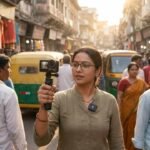
How to start travel vlogging in India is a question I get asked daily by aspiring creators and curious travelers alike. With its explosion of vibrant colors, deeply layered landscapes, and incredible storytelling potential, India is arguably the most rewarding “classroom” in the world for a travel filmmaker. From the bustling energy of Mumbai’s local trains to the silent, snow-capped peaks of the Himalayas, every corner of this country offers a unique cinematic frame.
However, successful vlogging here is about much more than just pointing a high-end camera at a famous monument. It’s a delicate dance of navigating organized chaos, capturing the authentic soul of a multi-faceted culture, and doing it all while staying safe, respectful, and organized. Whether your dream is to document the spiritual intensity of the narrow lanes in Varanasi or the serene, slow-paced valleys of Himachal Pradesh, this guide will provide the depth and detail you need to launch your channel today.
Define Your “Vibe” (The Niche)
India is far too vast to cover “everything” effectively. In a crowded digital space, your success depends on your ability to stand out through a specific lens. To build a loyal audience, you must choose an angle that resonates with your personal passion:
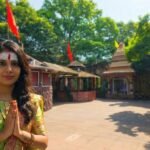
- Cultural Storytelling: Go beyond the surface level. Focus on ancient rituals, local history, and the daily lives of people. For instance, instead of just filming a temple, create a cinematic narrative about a visit to the Siddhaveer Hanuman Temple, explaining the significance of the offerings and the local legends surrounding it.
- Adventure & Offbeat Exploration: This is for those who enjoy the thrill of the unknown. Document your journey trekking through the high-altitude deserts of Ladakh or discovering “hidden gems”—villages and waterfalls that haven’t yet been pinned on every tourist map. Your value here is providing a roadmap to the road less traveled.
- The Luxury vs. Budget Contrast: India offers extremes like no other place. You could focus on the opulence of Rajasthan’s heritage palace stays or provide essential survival tips for travelers navigating the country on a ₹500-a-night backpacker’s budget. Highlighting these contrasts provides practical value and aspirational content.
Master the “Minimalist” Gear Setup for Travel Vlogging In India
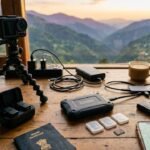
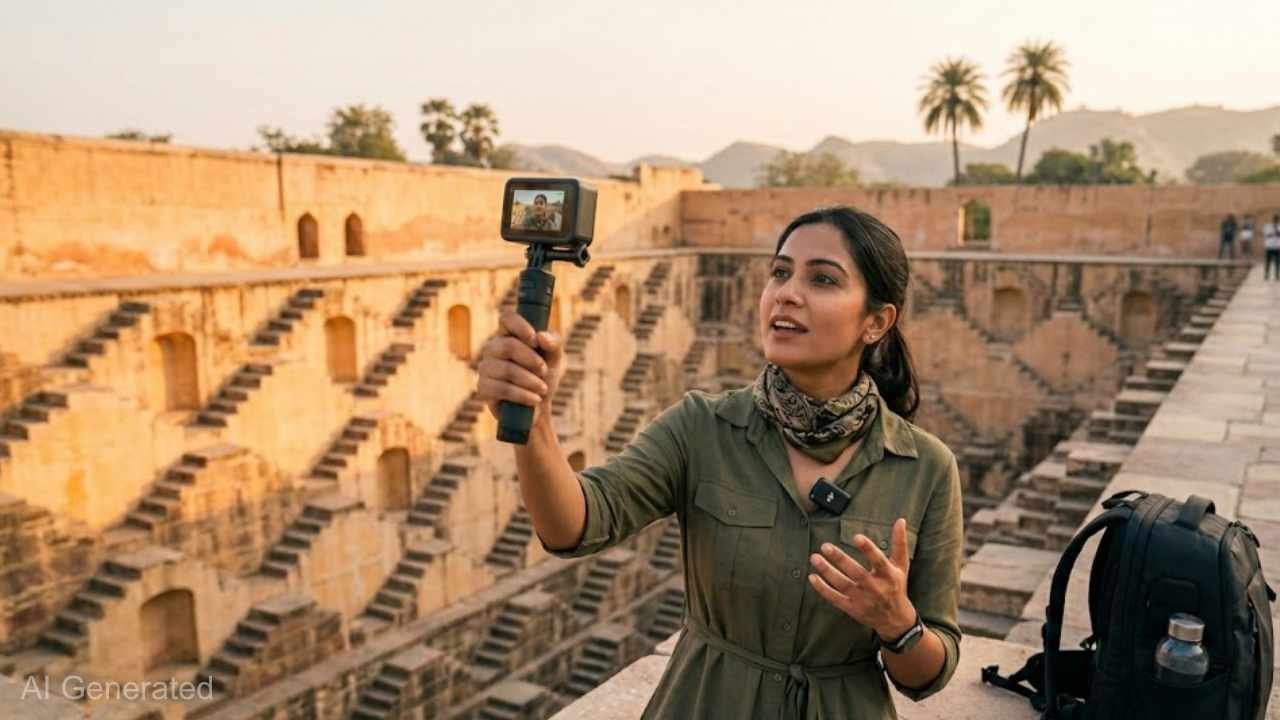
A common mistake for beginners is thinking they need a heavy cinema rig to produce quality work. In reality, bulky gear can be a major disadvantage in Indian crowds, drawing unwanted attention and slowing your movement. For a how to start travel vlogging in India strategy that is sustainable and efficient, I recommend a high-performance setup that fits entirely into one small daypack:
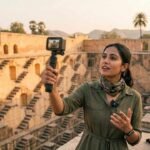
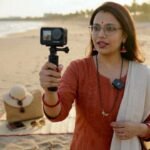
- The Camera: My go-to is the DJI Osmo Action 5 Pro. Its rugged build makes it perfect for the dusty roads of Rajasthan, and its 4K capability ensures professional-grade footage. The HorizonSteady technology is particularly crucial here; it smooths out the inevitable bumps of an auto-rickshaw ride or a trek through uneven terrain, giving you “gimbal-like” results without the extra weight.
- The Audio: I cannot emphasize this enough: sound is at least 50% of your viewer’s experience. To capture clear dialogue in the middle of a chaotic Indian market, I rely on the DJI Mic Mini. It is nearly invisible when clipped to your outfit and effectively isolates your voice from the ambient roar of traffic and crowds, ensuring your narrative is never lost.
- The Support: You are often your own cameraman when starting. A Joby GorillaPod is an essential “invisible assistant.” Its flexible legs allow you to secure your camera to almost anything—a tree branch, a rickshaw handle, or a balcony railing—enabling you to get creative “B-roll” of yourself walking through a scene.
Pro Tip: If you want a complete breakdown of every cable, filter, and accessory I carry, check out my Minimalist Camera Packing List for a deep dive into my professional solo kit.
Legalities: Drones and Permissions
Before you ever hit the record button, you must understand the local “rules of the road.” Failing to do so can lead to confiscated gear or heavy legal trouble:
- Drone Laws in 2026: If you plan on capturing those breathtaking aerial views of the Kerala backwaters, you must be compliant. This means registering your drone with the DGCA via the DigitalSky platform. Always check the “airspace map” before flying; “No Fly Zones” around airports, government buildings, and military installations are strictly enforced and carry severe penalties.
- Monument Permissions: The Archaeological Survey of India (ASI) manages most heritage sites. While casual handheld photography is generally allowed, professional filmmaking or the use of tripods often requires a specific permit. Always stop by the ticket counter or administrative office first to clarify the rules. Being respectful and transparent with local authorities will save you hours of frustration.
How to Structure Your First Film
A truly great travel vlog isn’t just a collection of pretty clips; it is a story with a beginning, middle, and end. Use this classic 3-act structure to keep your audience engaged from start to finish:
- The Hook (0-30 seconds): Start with high energy. Show a montage of the most visually stunning or emotionally intense moments of the trip. Your goal is to make the viewer think, “I need to see how she got there.”
- The Journey (The “How-To”): This is the heart of your vlog. Share the logistics. How did you book the train? What did the local street food cost? This section builds trust and provides the practical information that travel viewers are searching for.
- The Payoff: Conclude with the beautiful, slow-motion cinematic B-roll of your final destination. This is where you share your personal reflections and “wrap up” the emotional arc of the day, leaving the viewer feeling inspired to take their own journey.
Editing for High Retention
In the fast-paced world of 2026, viewer attention is your most valuable currency. You don’t need a powerful studio computer to edit; mobile apps like CapCut or LumaFusion are more than capable of handling 4K files on the go.
- Fast Pacing: Avoid long, static shots unless they are intentionally meditative. Keep your cuts tight to maintain a sense of momentum.
- Match Cuts: Look for visual similarities between locations to create seamless transitions. For example, a shot of a rolling wheel in Delhi “matching” a shot of a rolling wheel in Leh creates a professional, high-end feel.
- Mastering Frame Rates: Always shoot your B-roll at 60fps. This gives you the flexibility to slow the footage down to 40% speed during editing, creating that “dreamy” cinematic look that separates professional filmmakers from casual vloggers.
Final Thoughts
The single most important step in learning how to start travel vlogging in India is simply to begin. Many people get stuck in the “planning phase,” waiting for the perfect camera or a once-in-a-lifetime trip. My advice? Don’t wait. Go to your local neighborhood market this weekend, find a 60-second story, and upload it. Your style will evolve with every video you make. The world is waiting to see the incredible beauty of India through your unique lens—so go out there and start filming!
Let’s Connect! 🎥
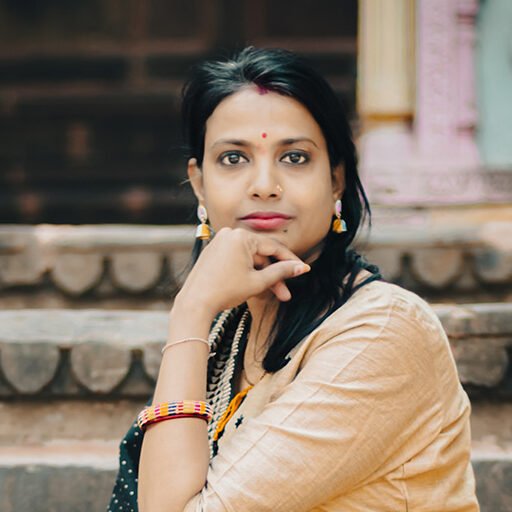
I’m Sapna Sharma, and I’m dedicated to helping you turn your wanderlust into cinematic reality. If you found this “ How to Start Travel Vlogging in India” guide helpful, follow my journey and get more behind-the-scenes tips here:
- YouTube: Subscribe to Sapna Sharma Films — For weekly cinematic travel vlogs and filmmaking tutorials.
- Instagram: Follow @SapnaSharmaFilms — For daily stories, gear setups, and travel inspiration.
- Facebook: Join the Sapna Sharma Films Community — Connect with fellow Indian travel creators.
Ready to pack your bags? Ensuring your kit is organized is half the battle! Read my